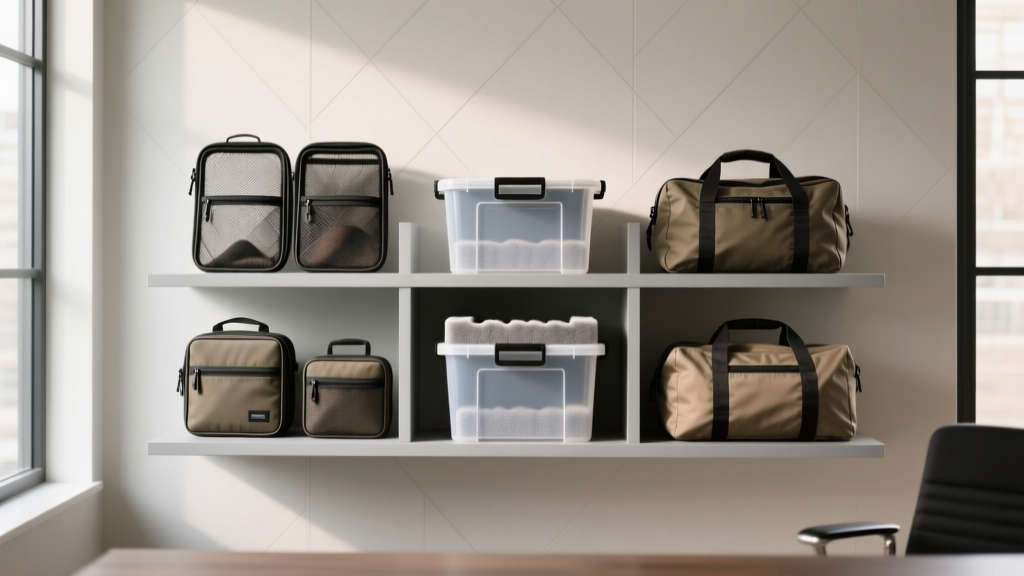
Hunting Gear Storage Materials: Best Options (2026)
Hunting gear has a way of testing your vehicle?s interior. Muddy boots, damp waders, sharp broadheads, spent shells, animal scent, and heavy packs don?t just make a mess?they can stain upholstery, crack plastics, and leave odors that linger long after the season ends. If you?ve ever tossed a wet jacket into the back seat ?just for the drive home,? you already know how quickly a clean cabin can turn into a cleanup project.
The right storage setup isn?t only about staying organized. It?s about protecting your seats and cargo surfaces, preventing gear damage, and keeping essentials accessible when you?re loading in the dark at 4 a.m. Material choice matters more than most people think: the wrong fabric absorbs water and odors; the wrong plastic cracks in cold weather; the wrong metal rusts and rattles. This guide breaks down the most common hunting gear storage materials for vehicles?what they?re good at, where they fail, and how to pick the best option for your specific hunting style.
Whether you drive a pickup, SUV, or crossover, you?ll find practical comparisons, real-world use cases, and step-by-step tips to build a storage system that survives mud season and keeps your interior looking like a daily driver.
What ?Good? Hunting Gear Storage Means Inside a Vehicle
Before comparing materials, it helps to define what success looks like for car interior-friendly hunting storage. Most hunters need a mix of:
- Water resistance for wet clothing, waders, and rain gear
- Odor control to keep scent and mildew from embedding in carpet and seats
- Puncture and abrasion resistance for broadheads, knives, tripod feet, and sharp edges
- Cold-weather durability because brittle bins are common in freezing temps
- Easy cleaning (hose out, wipe down, or sanitize)
- Noise control so the cargo area doesn?t rattle like a toolbox on washboard roads
- Securement so it won?t become a projectile during sudden stops
A ?best? material is rarely universal. The best storage for a bowhunter who keeps gear scent-free is different from the best setup for a waterfowler hauling wet waders and decoys.
Material Comparison: Strengths, Weaknesses, and Best Uses
1) Hard Plastic Totes (HDPE/PP)
Hard plastic storage bins are the most common vehicle hunting storage for a reason: they?re affordable, stackable, and easy to wipe out.
- Pros: Water resistant, easy to clean, good chemical resistance, widely available in many sizes
- Cons: Can crack in extreme cold (especially cheaper plastics), lids can flex and leak, noisy unless padded
- Best for: General gear, layered organization (one bin for clothing, one for cooking, one for tools)
Real-world tip: If you?ve ever hit a pothole and heard your bin lid slap all the way home, add a simple foam strip or adhesive weatherstripping around the lid rim. It reduces rattles and can improve dust sealing.
What to look for:
- Thicker sidewalls and reinforced corners
- Latch-style lids (better than ?snap-on? for rough roads)
- Flat tops for stable stacking
2) Rubberized Polymer Totes (High-Flex ?Action Packer? Style)
These are the heavy-duty cousins of standard bins?often made with more flexible polymers that handle cold better.
- Pros: Better impact resistance, less cracking in cold weather, usually tougher latches
- Cons: More expensive, heavier, still can rattle without padding
- Best for: Year-round hunters, cold climates, heavier loads (chains, recovery gear, large packs)
Interior protection tip: Place a thin rubber cargo mat or a cut-to-fit stall mat under the tote to prevent the bin from ?polishing? your cargo plastics over time.
3) Soft-Sided Fabric Bags (Nylon/Polyester, Cordura)
Soft storage includes duffels, organizer bags, and roll-up tool bags. This category shines for packing efficiency and reducing cabin noise.
- Pros: Quiet, flexible in tight cargo spaces, lighter weight, easy to carry from vehicle to camp
- Cons: Absorbs moisture and odors if not treated, harder to fully sanitize, can tear on sharp gear
- Best for: Clothing layers, gloves/hat kits, first-aid, optics protection inside a larger bin
Pro move: Use fabric bags as ?modules? inside a larger hard tote. You get quiet organization plus the wipe-clean shell protecting your car interior.
What to look for:
- Water-resistant coatings (PU-backed fabric)
- Reinforced bottoms and strong zippers
- Bright interior lining to find small items at night
4) Waterproof Dry Bags (PVC, TPU, Vinyl)
Dry bags are unbeatable for wet gear and odor isolation when used correctly.
- Pros: Excellent water containment, good odor isolation, easy to rinse, great for waders and soaked outerwear
- Cons: Can trap moisture leading to mildew if you seal wet items too long, stiff in cold, can scuff interior plastics if dragged
- Best for: Waterfowl hunts, rainy-season clothing transport, keeping scent-heavy items contained
Real-world example: After a marsh hunt, toss waders and wet gloves into a large roll-top PVC dry bag, roll it tight, and place it on a rubber cargo mat. Your carpet stays dry, and the ?wetland smell? doesn?t permeate the cabin.
5) Metal Storage (Aluminum/Steel Toolboxes and Drawer Systems)
Metal solutions feel premium and can be extremely secure, but they?re not always ideal for daily-driven vehicles.
- Pros: Excellent security, high durability, can support heavy loads, professional organization with drawers
- Cons: Heavy (hurts fuel economy), can rattle, can rust (steel), cold to the touch in winter, can dent or scratch interior trim
- Best for: Truck beds (with liners), dedicated hunting rigs, locking storage for firearms/ammo where legal
Noise control tip: Add thin closed-cell foam drawer liners and rubber bumpers on contact points. It makes a surprising difference on forest roads.
6) Wood/MDF DIY Drawer Builds (Plywood Systems)
DIY drawers are popular in SUVs for overlanding and hunting?great space efficiency, but material choice and finishing matter.
- Pros: Custom fit, excellent organization, can incorporate a sleeping platform, quieter than metal
- Cons: Heavy, can swell or warp if not sealed, absorbs odors, harder to clean than plastic
- Best for: SUV hunters who want a permanent setup and don?t mind the added weight
Seal-it-right advice: If you go plywood, seal every surface (including edges) with a durable coating. The edges are where moisture sneaks in first.
7) Foam Inserts (EVA/PE Foam for Cases and Compartments)
Foam isn?t a standalone storage system, but it?s a material that dramatically improves interior friendliness.
- Pros: Prevents rattles, protects optics and fragile gear, reduces abrasion, adds structure to cases
- Cons: Can hold moisture if gear is wet, needs occasional drying, can tear if low density
- Best for: Optics, rangefinders, calls, small tools, broadhead containment inside a case
Quick ?Best Material? Picks by Hunting Style
- Waterfowl / wet conditions: PVC/TPU dry bags + rubber cargo mat + a tough HDPE tote for organization
- Whitetail day hunts: Soft-sided duffels for clothing + a mid-size hard tote for accessories and tools
- Western big-game / long drives: Rubberized polymer totes + fabric modules + foam protection for optics
- Truck bed with security needs: Locking metal toolbox + padded interior liners + weather-resistant seals
- Dedicated SUV hunting build: Sealed plywood drawer system + removable plastic bins for messy items
Step-by-Step: Build a Vehicle-Friendly Hunting Storage System
Step 1: Sort your gear into ?Clean,? ?Wet/Dirty,? and ?Sharp/Heavy? categories
- Clean: base layers, spare clothes, snacks, electronics
- Wet/Dirty: boots, waders, gloves, rain gear
- Sharp/Heavy: knives, broadheads, tools, stakes, tripods
This step prevents the classic mistake of storing everything together and wondering why your clean jacket smells like swamp the next day.
Step 2: Choose materials that match each category
- Clean: fabric bags or smaller organizers inside a hard tote
- Wet/Dirty: dry bag (PVC/TPU) or a dedicated hard plastic bin with a washable liner
- Sharp/Heavy: hard-sided case, thick-walled tote, or a metal drawer with foam liners
Step 3: Protect the vehicle surfaces first
- Add a rubber cargo mat or cargo liner to catch mud and water.
- Use a seat-back protector if you load gear behind the front seats.
- If you carry animals or coolers, add a washable moving blanket on top for quick swaps.
Step 4: Reduce movement and noise
- Use tie-down points and ratchet straps or cam straps to secure bins.
- Add non-slip pads under totes to prevent sliding.
- Line bins with closed-cell foam or rubber to stop clanking.
Step 5: Build in a ?dirty return? routine
Plan for the moment you return to the vehicle with soaked gear. Keep these items ready:
- A dedicated wet bag (large dry bag or waterproof bin)
- A small microfiber towel for quick wipe-downs
- A trash bag roll for messy surprises
- A small deodorizing spray (interior-safe) for emergency odor control
Product Comparison: What?s Worth Buying (and What to Skip)
Top picks for most vehicles
- Heavy-duty hard tote with latches: Best all-around for organization and wipe-clean practicality. Choose a size that fits your cargo opening without forcing it.
- Large PVC/TPU dry bag (roll-top): Best for wet gear containment. Go bigger than you think; waders and boots take space.
- Soft-sided modular organizer bags: Best for small items and quick access. Great for headlamps, tags, batteries, gloves, and first-aid.
- Closed-cell foam sheets or drawer liner rolls: Cheapest upgrade for noise reduction and gear protection.
When premium solutions make sense
- Locking drawer system (metal or sealed plywood): Worth it if you hunt weekly, keep a dedicated loadout, and want fast access without bin stacking.
- Hard rifle/bow cases with foam: Worth it if your gear rides with other heavy items that could damage it.
Common ?skip? items
- Cheap thin plastic bins: They crack in cold and the lids warp, letting water and odor escape into the cabin.
- Unlined metal storage in-cabin: Expect rattles, scratches, and condensation issues unless you add liners.
- Fabric-only storage for wet gear: It?s a fast track to mildew smells in both the bag and the vehicle interior.
Common Mistakes to Avoid
- Sealing wet gear for too long: Dry bags and bins trap moisture. Great for transport, bad for storage. Unpack and dry as soon as you get home.
- Letting sharp tools roam free: Broadheads and knives should be in a rigid case or sheath. A single puncture can ruin upholstery?or you.
- Overloading one giant bin: Too heavy to lift, harder to find items, and more likely to crack a lid. Use two medium bins instead.
- Ignoring odor migration: Odors don?t just stay in gear?they move into carpet and seat foam. Use containment (dry bags), and clean surfaces quickly.
- Not securing cargo: A 40-pound tote becomes dangerous in a sudden stop. Strap it down or wedge it properly.
Practical Tips for Keeping Your Car Interior Clean During Hunting Season
- Keep a ?cab zone? and a ?cargo zone?: Clean items up front, messy items in back. If you must use the rear seat, add a bench seat cover.
- Use a boot tray: A simple plastic tray or shallow bin prevents mud melt from soaking into carpet.
- Ventilate after wet hunts: Crack windows on the drive home when safe to do so?reduces condensation and interior smell.
- Bring a small brush: A stiff brush knocks dried mud off boots before it becomes a carpet problem.
- Plan a 10-minute reset: Once a week, remove bins, shake out mats, and wipe plastics. Small cleanups beat deep cleaning later.
FAQ: Hunting Gear Storage Materials for Vehicles
What?s the best material for storing wet waders and muddy boots in an SUV?
A large PVC/TPU dry bag is the easiest way to contain water and odor during transport. Pair it with a rubber cargo mat so any drips stay off carpet and factory liners.
Do plastic bins really crack in cold weather?
Yes?especially inexpensive, thin-wall bins. In freezing temps, many plastics get brittle. Look for heavy-duty HDPE/PP bins with reinforced corners or rubberized polymer totes designed for impact resistance.
How do I stop bins and tools from rattling in the cargo area?
Use closed-cell foam liners inside bins, add non-slip pads underneath, and secure the load with straps. Even a thin rubber mat under the tote makes a big difference on rough roads.
Is a metal drawer system worth it for hunting gear?
It can be, if you hunt frequently and want fast access without stacking bins. The tradeoffs are cost, weight, and potential noise?plan to add liners and check mounting hardware regularly.
How do I prevent hunting odors from getting into seats and carpet?
Contain scent-heavy or wet gear in dry bags or sealed totes, avoid putting gear directly on upholstery, and clean up quickly. A rubber cargo liner plus a dedicated ?dirty gear? container is the most effective combo.
Can I store broadheads and knives in a fabric bag?
Not recommended. Use a rigid case, blade guards, or a hard-sided compartment with foam. Fabric tears easily and can lead to dangerous punctures.
Conclusion: Choose Materials That Protect Both Gear and Interior
The best hunting storage setup is usually a mix: a tough hard tote for structure, a waterproof dry bag for wet and smelly items, and soft organizers for quick-access essentials. Add a rubber cargo mat and a basic tie-down strategy, and your vehicle stays cleaner, quieter, and easier to live with?whether it?s a dedicated hunting rig or your daily driver.
Next steps:
- Measure your cargo area and choose one primary bin size that fits perfectly.
- Add one wet-gear solution (dry bag or dedicated waterproof bin).
- Upgrade with foam liners and a cargo mat to cut noise and protect trim.
- Set a routine to unload and dry wet gear the same day.
For more practical vehicle organization ideas, seat and cargo protection tips, and interior care guides, explore the latest articles on carinteriormix.com.